
Throughout history, certain alcoholic beverages have crossed the line into forbidden territory—banned, persecuted, or branded as dangerous for their effects, reputation, or ingredients. But what made a liquor go from being a symbol of celebration to an object of censorship? In this exploration, you’ll uncover how culture, politics, and fear shaped the story of forbidden spirits—and how some have returned stronger than ever.
Drinks That Frightened the Powerful
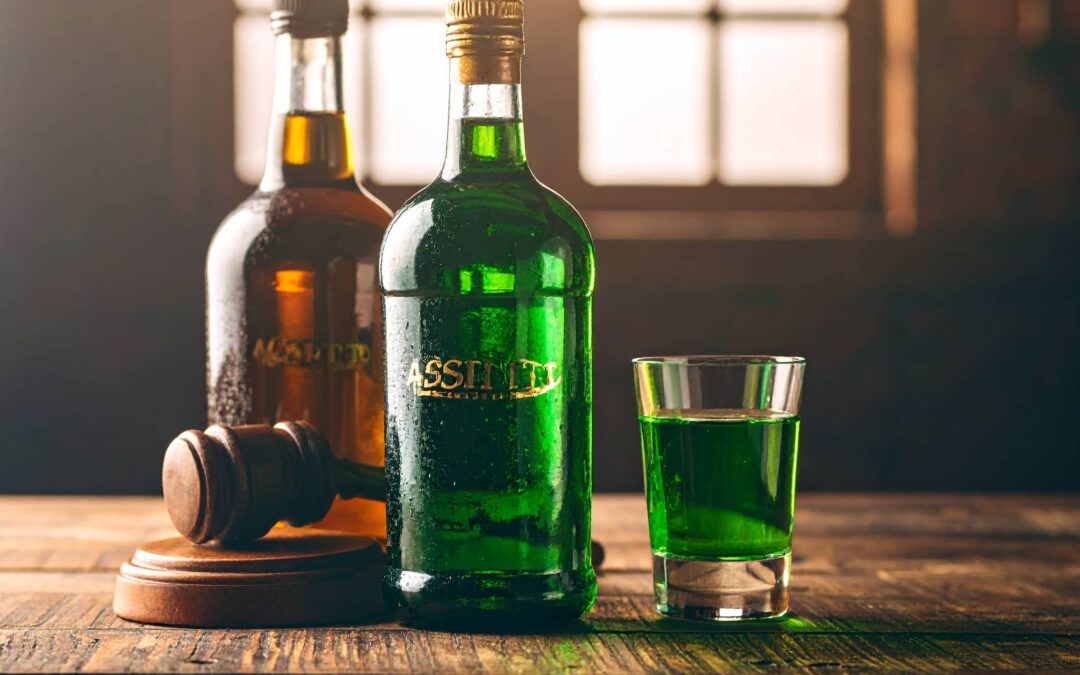
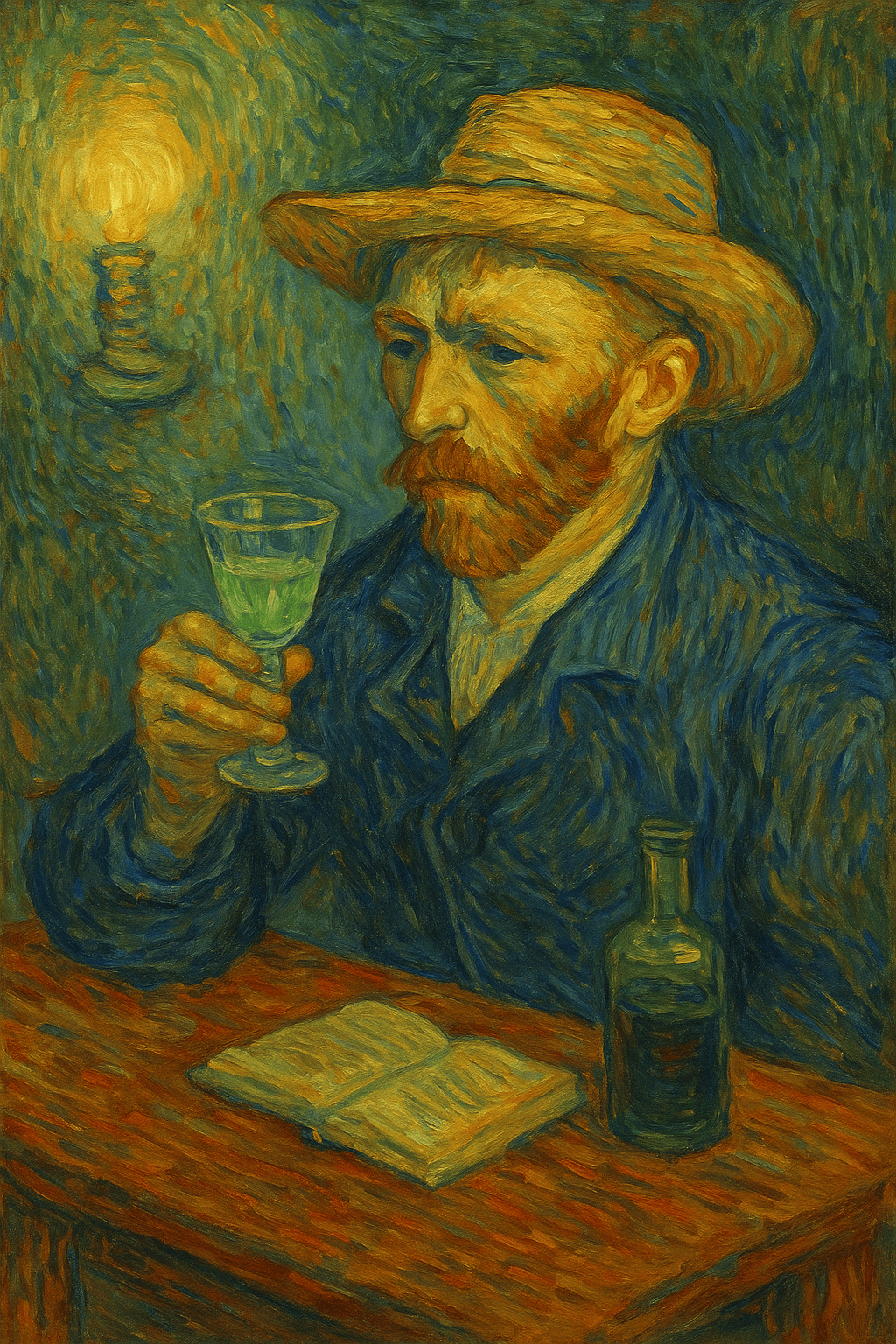
The most iconic case is absinthe, a high-proof liquor infused with wormwood. Known as la fée verte (the green fairy), it gained fame among bohemian artists like Van Gogh and Baudelaire. However, in the 19th century, it was banned in several European countries, including France, due to its supposed hallucinogenic effects. Today we know that the amount of thujone—the compound once blamed for madness—was much lower than feared. Still, the drink’s aura of mystery lives on, and its modern return to the bar scene has been celebrated as a cultural victory over fear.
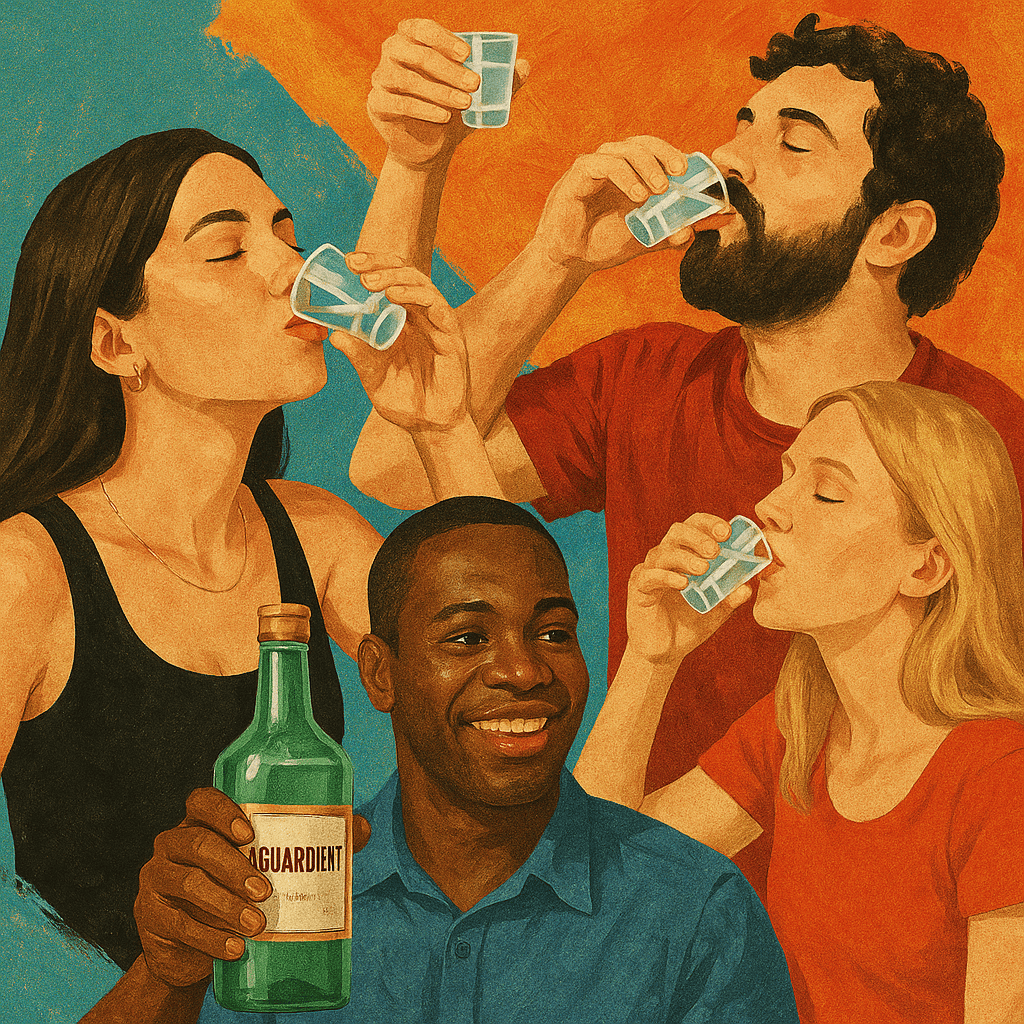
During the colonial period, several regions in Latin America imposed partial or total bans on local aguardiente production. Often, the motivation wasn’t public health, but economics: protecting the importation of European wines and brandies. In other cases, it was part of a moral crusade against excess. In Mexico, for example, the viceroyalty at times cracked down on indigenous fermented beverages deemed “uncivilized.” But as always, popular ingenuity found ways to keep the celebrations alive—even if in secret.
In Asia, so-called snake wine—rice liquor infused with venomous reptiles—was banned in several countries for health risks and cultural reasons. Similar restrictions hit medicinal drinks that once included now-controlled substances like ether or opium. In their time, these mixtures were viewed as healing tonics or aphrodisiacs. Today, they’re more legend than libation—fascinating artifacts that inspire curiosity more than a desire to drink them.
The Comeback of the Forbidden
The best-known case of prohibition is the United States’ Prohibition Era (1920–1933), when alcohol production and sales were completely outlawed. The result? The rise of organized crime, speakeasies, and a black market more alive than ever. Though the intention was to reduce crime and improve public health, the opposite happened. Prohibition proved that restricting access to alcohol doesn’t erase desire—it transforms it into cultural rebellion. This chapter left a lasting mark on consumption history and sparked debates that still echo today.
Many of these once-banned spirits made a comeback decades—or even centuries—later, wrapped in legend. Absinthe was re-legalized in Europe in the 2000s; aguardiente resurfaced as a cultural symbol in Latin America; and some exotic liquors are now collector’s items or trendy ingredients in modern mixology. Their return isn’t just a market phenomenon—it’s a celebration of history and humanity’s ever-evolving taste.
Enjoyed this pour of liquid history? At HKG Duty Free, every bottle holds a story worth discovering. Keep exploring with us—and let the past pour you a drink.